The Gulf region is facing a serious food crisis. More than 70 percent of food for the Gulf Cooperation Council (GCC) countries usually comes through the Strait of Hormuz. By March 2026, disruptions have blocked most of these paths.
This has forced retailers to fly in basic items and has caused food prices to rise by up to 120 percent. While this is a difficult time for the region, it also creates a massive Saudi Arabia business opportunity for companies that can provide food and logistics solutions.
Why the West Coast is a Top Saudi Arabia Business Opportunity
The west coast of Saudi Arabia is the only safe way to keep the region fed right now. Ports like Jeddah Islamic Port, King Abdullah Port, and Yanbu work separately from the Strait of Hormuz.
These ports can handle a combined 18.6 million containers. Because other regional ports are crowded, more cargo ships are choosing to stop here. This shift makes the Red Sea coast the main center for trade. For any company in the shipping or storage sector, this is a prime Saudi Arabia business opportunity.
Moving Food by Land to GCC Neighbors
A vital land route is already working to solve the crisis. Every day, 900 trucks carry food from Jeddah across the desert to the border of Kuwait. This is the only way for countries like Kuwait and Qatar to get food without using risky sea paths.
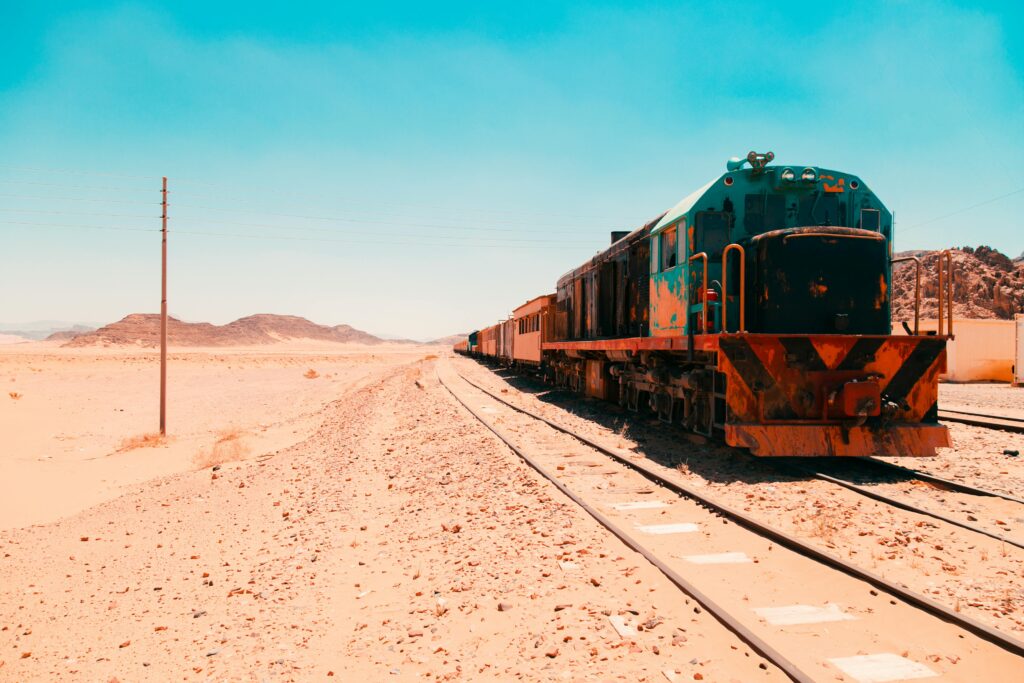
To make this better, the government is fast-tracking a 7-billion dollar Landbridge railway project. This train will move food from the west coast to the east coast very quickly. Building the warehouses, hubs, and railway infrastructure for this rail line is another significant Saudi Arabia business opportunity, especially for savvy EPC firms.
Urgent Needs in Agri-Tech and Cold Chain
The region needs more than just transport. The Saudi government needs large storage centers and cold chain tools built on the west coast right now. They also need smart farming systems.
Since Saudi Arabia gets 70 percent of its water from desalination, there is a big need for vertical farming and indoor growing. Companies from Brazil, India, and the Netherlands are in a very strong position to fill this Saudi Arabia business opportunity.
Fast Approvals for Food System Companies
Feeding the people is now a top priority for national security. Because of this, the government has made it easier and faster for food companies to register. You can now get your investment license much quicker than in other industries.
How EPS Helps You Enter the Market
EPS Support Services provides expert Saudi Arabia market entry consulting to help your firm join this expansion. We have more than 15 years of experience helping global firms win work and build local operations. Our team has special knowledge in Saudi Arabia Agrotechnology Advisory to guide you through rules and find local partners.
The chance to get first-mover benefits is ending soon. As new rules for Special Economic Zones start in April 2026, the best spots will be taken quickly. Do not stay on the sidelines while others grow. Email us today at [email protected] to start your journey.
Frequently Asked Questions (FAQs)
Disruptions in the Strait of Hormuz have limited traditional import routes for GCC countries. Saudi Arabia’s Red Sea ports operate independently of this route, making them the most reliable alternative for regional food supply.
he businesses making the most money in Saudi Arabia right now are energy, tourism, and technology. Logistics, construction, and healthcare are also growing fast. Oil and petrochemicals still bring in the biggest money overall.
Yes. Current market conditions strongly favor investment in food supply chains and logistics. Disruptions to traditional import routes have created immediate demand for alternative infrastructure, making this a time-sensitive entry window for investors with operational capability.
Saudi Arabia’s logistics market was valued at approximately USD 55 billion in 2025 and is projected to exceed USD 80 billion over the next decade, supported by infrastructure investment, trade diversification, and regional supply chain realignment.
The crisis has disrupted Gulf shipping routes, increased transport costs, and forced cargo rerouting. As a result, Saudi Arabia’s Red Sea ports have become primary entry points for regional trade, accelerating demand for inland transport, storage, and logistics infrastructure.
Yes. Food security has become a national priority, driving accelerated approvals and investment incentives. Opportunities are strongest in logistics, cold chain, storage, and agri-tech, where supply gaps are immediate and demand is structurally increasing.